Community pharmacy integration is moving up the NHS agenda as Pharmacy First expands and pharmacists gain prescribing rights, but Amit Patel argues commissioning has not kept pace with what pharmacy can deliver.
Pharma and medtech teams planning primary care programmes should treat community pharmacy as a clinical partner alongside general practice, and engage pharmacy federations and representative bodies early.
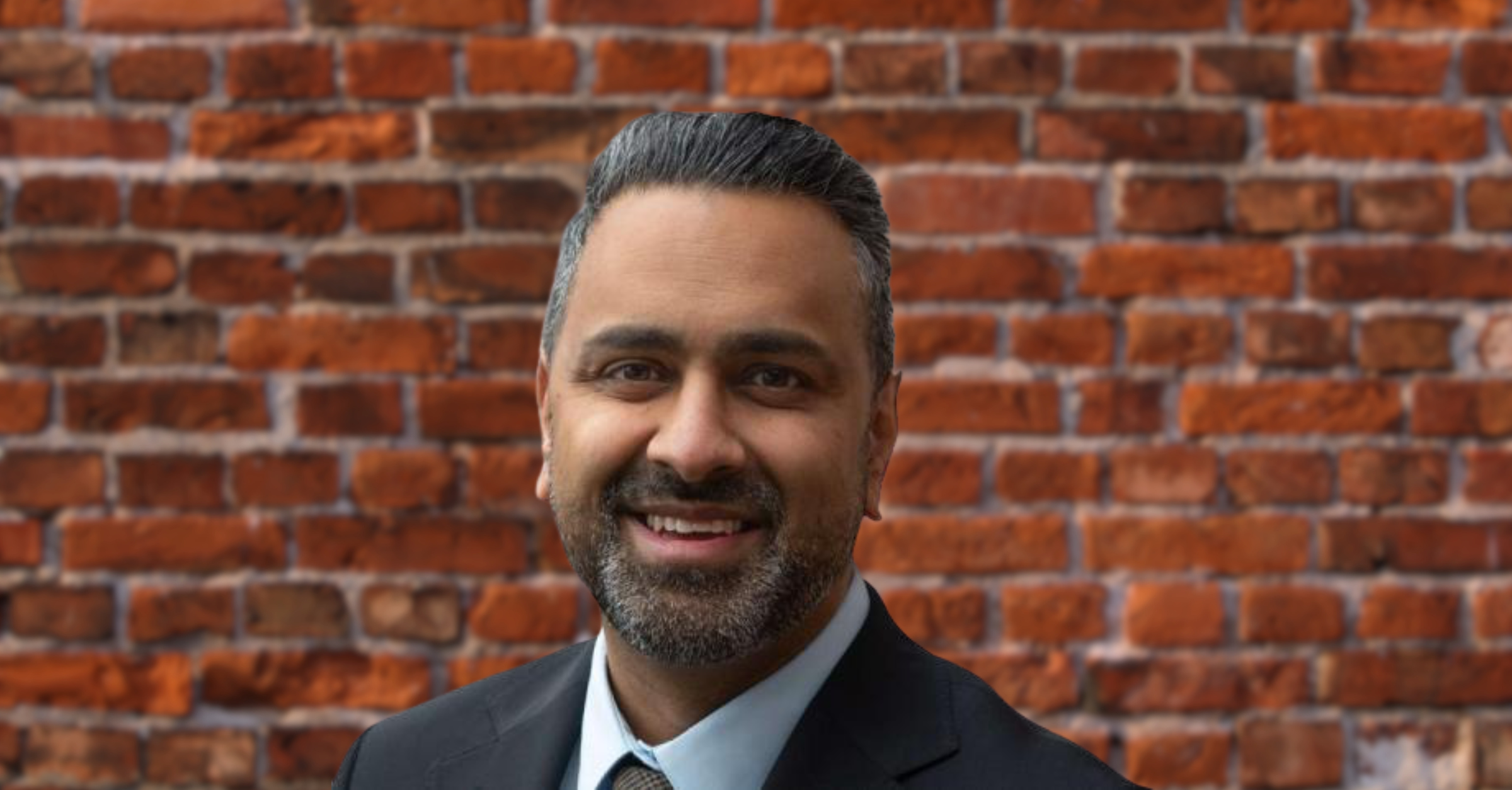
Pharmacy First is adding five conditions this autumn, and each one needs a pharmacist prescriber to treat it. At the same time, England has 1,083 fewer community pharmacies than it did in 2016, a fall of 9%. The NHS is asking more of a shrinking network, and the 10-Year Health Plan’s shift towards care closer to home depends on that network holding together. Amit Patel sees both sides. As Chief Executive of Community Pharmacy South West London, he leads pharmacy strategy across six boroughs and close to 300 contractors. Plus, he chairs the South West London Primary Care Representative Board, which brings general practice, pharmacy, dentistry and optometry together. He founded PharmAlliance to support independent pharmacies nationally and is a CORE20PLUS5 Ambassador.
In September, Amit joined Cat Metcalfe, Strategy and Insights Director at CHASE, for a webinar on pharmacy, integration and the future of primary care. The questions below are drawn from that conversation and from the audience Q&A, and his answers have been edited for length and clarity. His case is that community pharmacy integration depends less on pharmacy’s capacity than on how the system commissions it, and that industry has a larger role in shaping new services than many pharma and medtech organisations assume.
“We’ve crossed an important line. Pharmacy is no longer simply a place that supplies medicines and gives advice. It’s increasingly being asked to assess, diagnose, treat, prescribe and prevent disease. Over the last couple of years we’ve had Pharmacy First, the contraception service, hypertension case finding and now independent prescribing. With most pharmacists now coming out of training with an independent prescribing qualification, community pharmacy's ability to support local communities is changing.
“The role has changed faster than the system around it. What’s happening now is that we’re getting much more involved in that system. Integrated Care Boards (ICBs) have devolved responsibilities to us, but nothing in their constitutions brings community pharmacy into their leadership. The system is starting to see the value of a true point of entry to primary care, with open doors and no need for an appointment.”
CHASE looked at the prescribing workforce in more detail in its recent post on pharmacist independent prescribing.
“Community pharmacy has always been seen as an underutilised resource, a good way to use spare capacity, but it hasn’t been used as infrastructure. I’d say it hasn’t been underutilised. It’s been under-commissioned. There is a lot community pharmacy can deliver, and a lot of leadership that isn’t recognised. We already deliver many of these services privately. Why couldn’t we do it through the NHS?”
“GP practices have always seen the value in community pharmacy, but they haven’t had a pathway to recognise us as clinical partners or as a clinical destination for their patients. Formal pathways have changed that. Around 1.6 million people visit a pharmacy in England every day, so there are real opportunities in prevention, in long-term conditions and in the opportunistic contact we have with people.
“What needs to change is that Pharmacy First pathways rely heavily on referrals from GP practices. Waiting for a referral isn’t the same as integration. It adds a step that doesn’t need to be there. The next step is true integration, where a patient doesn’t see the organisational boundaries between general practice, community pharmacy and hospital advice when they’re discharged, but one seamless service.”
“Traditionally we’ve worked in silos. Organisations that don’t talk to each other have been encouraged to compete through contracting methods that don’t work. If we take on a new service, the question is often who we’re taking it from, and whether that organisation stays sustainable. We see it in conversations about the left shift: activity coming out of secondary care into primary care has to move in a sustainable way. Now that we have leadership pathways, it’s about being in the room together, not only at manager level but with the patient voice, a plan that supports it and the infrastructure for those conversations to happen safely.”
“It goes back to pharmacy being under-commissioned. If we’re resourced to deliver activity, we can do what needs to be done. This year’s settlement raised funding from £3.3 billion to £3.64 billion, a 10% increase, along with more retained medicines margin and a write-off of historic over-delivery. All of that is welcome. But the NHS-commissioned economic review by Frontier Economics put the full cost of providing NHS pharmacy services at between £4.3 billion and £5.7 billion a year. There is a gap that isn’t being met. Pharmacies that can build private services to create sustainable income stay open. Those that can’t, we’reseeing close.”
“You see more closures in the areas that need pharmacies most: areas of deprivation, areas with a real mix of ethnicities where outreach is needed, and very rural areas where footfall is lower than in a large city. It’shappening at both ends of the scale.”
“The skills are there. And it’s not only about funding. I’d be remiss to sit here and just ask for more money. It’s the commissioning: trusting pharmacy to take on more and opening the doors for it. Caps on current services don’t help. Most pharmacies breach their cap on the New Medicine Service (NMS) and end up delivering consultations out of goodwill with no resource attached, and that’s what breaks pharmacies. Caps are now coming in on hypertension case finding and Pharmacy First. When the system wants us to take potentially 20% of general practice activity, and our caps hold us to about 2%, you can see the gap.”
“I think they will. The 10 Year Health Plan, with single and multi-neighbourhood providers, means more commissioning decisions will be made locally. If pharmacy gets a seat on multi-neighbourhood providers and can influence the integrated health organisations, those local decisions will change. At the moment we see bottlenecks in other parts of the sector that pharmacy could relieve, with no pathway to get to them. I remain hopeful.”
“This is where things get interesting. We’re no longer talking about treating a sore throat. We’re talking about finding cardiovascular risk before someone has a heart attack or a stroke. The hypertension case-finding service, as it stands, has pharmacies taking blood pressures and passing the data back to general practice. That was a first step, but it isn’t true case finding. With the expansion of Pharmacy First and the pilot extending into lipid testing, we’re moving from transferring tasks and information to having the authority, resource and accountability to deliver.
“Pharmacists are coming out from behind the dispensary, bringing people into the consultation room and looking after them in a way people expected to see only in general practice. Pharmacists are also working in GP practices, hospitals and care homes, so that support runs across the whole system.”
The NHS’s wider push to find undiagnosed cardiovascular risk is covered in CHASE’s analysis of the CVD framework.
“We need access to the patient record. There’s still a feeling that certain parts of the NHS own the record. In reality, patients own their record, and once information flows with the patient, those structures start to break down. Some GP practices are piloting shared access to their clinical systems with community pharmacies, but that’s too small. Every pharmacy has access to the Summary Care Record. I want read and write access to the full record, so we can see the whole picture and follow through.
“We also need to refer to and from other services without filling in a form that lands in a GP practice’s workflow. That means systems talking to each other, and at the moment they don’t. Pharmacy, general practiceand hospitals each run multiple systems, and connecting them means building workarounds rather than NHS England specifying systems that work together.”
“It’s already being piloted, and multi-neighbourhood providers bringing everyone under one commissioning banner will make it easier. We need three things. First, architecture: the leadership and commissioning structures. Second, infrastructure: IT that connects, and training joined up across specialties. Third, joint literacy: people speaking the same language and heading in the same direction. The NHS appears to beheading that way. The test is whether it happens, and we’ll know over the next 18 months as these structures emerge.”
“We all want the same things. Where it risks falling down is if neighbourhood health means asking general practice to do more. If that happens, we miss the opportunity. In South West London, two primary care collaboratives are forming in Merton and Sutton, with representation from general practice, community pharmacy, optometry, dentistry, the voluntary sector and social care. There’s a joint agreement that they could take on multi-neighbourhood provider contracts, which would give us a local board making decisions outside any single specialty. There will be tough conversations, but it’s the right infrastructure.”
CHASE’s post on neighbourhood health in Kent and Medway looks at how one system is approaching the same transition.
“Accessibility doesn’t automatically create equity. We talk about underserved populations, hard-to-reach populations and communities we can’t talk to, and only the first term is right. Most people working in healthcare represent the communities they serve. We underserve a large number of populations. This isn’t only a pharmacy issue, but we can design services deliberately to narrow inequalities: commissioning on population need, avoiding digital-only routes, building culturally competent services, offering several routes in and targeting prevention.
“London commissioned a measles, mumps and rubella (MMR) vaccination programme because many children weren’t getting vaccinated, much of it down to vaccine hesitancy and difficult conversations. Sixty pharmacies were commissioned, and across 18 months one vaccination was delivered across all 60. In South West London we took it on and worked with GP partners, community services and the voluntary sector. GP practices shared their patient lists with pharmacy, and within four weeks one in ten of our calls led to someone the system had written off as hard to reach coming into the pharmacy for their vaccination. The question is who the right person is to have that conversation.”
“It’s harder and more complicated, but it isn’t more costly. The populations we fail to reach go unseen by the system for a long time, then end up in secondary care more often. It’s more costly in the short term, and budgets are short-termist. An intervention now that eases pressure on secondary care in 10 or 15 years makes a huge difference, but it doesn’t fit a three-year budget cycle. I hope that’s what the 10 Year Health Plan addresses.”
“Yes. We ran a pilot in South West London offering hearing screening and wax microsuction in community pharmacies. We were told pharmacies couldn’t deliver it because they’re overworked. We’d argue we’reunder-resourced. Twenty pharmacies delivered end-to-end care for 10,000 patients in a year and cut the average wait from 26 weeks to two weeks. The same applies to frailty and falls prevention. We talk about it as if it’s only about medicines or general practice, but people who don’t have regular eye tests are more likely to fall, so optometrists need to be in that conversation too. My advice for getting people around the table is to make as much noise as possible and find your champions. They’re out there.”
“As well as, rather than instead of. Start with a patient problem and identify where in the pathway you can make the biggest difference: where patient contact is most frequent, where the medicines expertise and prescribing capability sit, and where you get community reach and earlier identification. Don’t come to pharmacy with a product toolkit looking for a channel. Start with the patient pathway and ask where we can help solve a problem.
“Too often we’re approached three-quarters of the way down a pathway, when the system realises pharmacy can add something, and handed a 40-page standard operating procedure to retrofit a service into. That doesn’t work. Bring us in from the beginning and design it with us.”
“The hearing pathway was a strong collaboration between industry and community pharmacy that won government backing, with TympaHealth as an industry partner alongside manufacturers of ear drops. We’veworked with nutrition companies on frailty and falls. Most of the services in the current contractual framework began as industry partnerships. The hypertension service started as a small industry pilot and has scaled to millions of consultations. Pharmacy First began as a London pilot, the Digital Minor Illness Referral Service, which Priyanka Hinton supported as an industry partner, and it has grown into a pathway that supports the rest of the sector.
“Industry lets us test models safely, and brings expertise the sector’s leadership often lacks: building a business case, quality assurance and evaluation, which industry often does better than the NHS. We rely on that.”
“Start with the easiest barriers and follow the funding. Children and young people, and frailty, are priorities in the 10 Year Health Plan, so align your work with those and doors start to open. Think about who you talk to. A conversation with one pharmacist, or one GP, only gets you so far. Representative bodies and federations have the strategic capacity to support you, so work with them on what’s already in their business plans.
“For therapy areas, look at pharmacy websites. The range of private services, from menopause to travel clinics, shows where pharmacies want to expand and what’s working, because they’re investing in it. It tells you two things: pharmacies have the skills but lack an NHS pathway to make those services open to everyone, and the NHS doesn’t have the capacity to deliver them, which is why it’s content for pharmacies to provide them privately.”
“That’s why I created PharmAlliance nationally. Pharmacy federations or alliances exist in some areas, and people are seeing the value. They’ll be needed more as commissioners separate from providers and providers need seats on the new boards, the multi-neighbourhood providers and integrated health organisations. The difficulty is that the NHS funded GP federations, and there’s very little funding to create pharmacy federations. I was chief executive of a GP federation before I came into community pharmacy, and the difference in support is vast. With tight budgets I don’t expect that to change much, so supporting these new entities is a real area of need for industry collaboration, because that’s where the innovation is happening.”
“Look at what pharmacies already deliver privately that we want the NHS to adopt. Some pharmacies run diagnostics, from blood spot tests for vitamin D, vitamin B12 and HbA1c to tests that need a centrifuge. Remote consultations and teleconsultations are growing, and there are platforms that bring the separate parts of the pharmacy ecosystem together. I’d like the NHS App developed so it can take all of this on. It’slimited to NHS services at the moment, but GP practices already refer patients to private pharmacy services, such as travel clinics, so the need is there. One primary care contract, with equal representation, would help, though we’re a long way from that.”
“I’d like us to have stopped debating whether pharmacies are part of primary care. I’d like that question to feel outdated. A patient should be able to enter the NHS through any door, whether that’s general practice, pharmacy, dentistry, optometry or social care, and find a connected system that signposts them to what they need.”
Industry planning often treats community pharmacy as a stretched workforce with little room for new programmes. Amit’s examples suggest pharmacy delivers at volume once a service is commissioned around it. The hearing pathway, the South West London MMR outreach and the growth of hypertension case finding from an industry pilot are three cases in point. The constraints he identifies are structural: caps that limit activity, referral routes that pass through general practice, read-only access to the record and, in the absence of NHS funding, federations that are too thin to sit on the new provider boards.
Several of those constraints are now moving. Pharmacist independent prescribing reaches NHS services this autumn, multi-neighbourhood providers are forming, and the 10 Year Health Plan gives ICBs reasons to commission locally for children and young people, frailty and cardiovascular risk. Community pharmacy integration over the next 18 months will depend on whether pharmacy secures a seat in those structures. For pharma and medtech, the practical lesson from Amit’s experience is that early involvement counts. Companies that bring a patient problem to pharmacy federations and design the pathway with them give a new service its best chance of being commissioned.
CHASE works with pharmaceutical and medtech companies and the NHS to improve patient access to care through outsourced field teams, NHS-Industry Partnerships and market insights. Our team can help you understand how community pharmacy services are developing in your priority areas and where partnership can support them.
Get in touch with our team to find out more about how we can help.
Community pharmacy integration means pharmacy working as a clinical partner within primary care, with shared records, two-way referrals and joint commissioning, so that patients experience one connected service. Current Pharmacy First pathways rely on GP referrals, which falls short of full integration.
England has 1,083 fewer community pharmacies than in 2016, a 9% fall, and the NHS-commissioned economic review estimated the full cost of NHS pharmacy services at £4.3 billion to £5.7 billion. Closures are concentrated in deprived and rural areas, where private income is harder to build.
Service caps on the New Medicine Service, hypertension case finding and Pharmacy First hold pharmacy to roughly 2% of general practice activity, against ambitions of up to 20%. Dependence on GP referrals and limited access to the patient record also restrict how far services can grow.
Pharmacy leaders want companies to start from a patient pathway problem and bring pharmacy into service design from the beginning, before a protocol is written. Pharmacy First and the hypertension service both began as pilots supported by industry partners.
Pharmacy federations and alliances pool the voice and capacity of individual pharmacies, so they can take seats on multi-neighbourhood provider boards and integrated health organisations. Unlike GP federations, they have received little NHS funding to establish themselves, which limits their strategic capacity.
Explore our latest thinking, event updates and industry insights to stay informed.

A new wave of pharmacist prescribers is reaching community pharmacy. CHASE assesses what pharmacist independent prescribing means for pharma and medtech.


Four new NHS pilots promise faster medicines access under the UK-US pharma deal. CHASE assesses what past funding mandates show about adoption speed.

NHS mental health commissioning is shifting from counting appointments to measuring recovery. CHASE examines what this means for pharma and medtech.